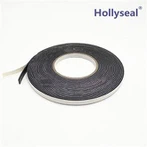
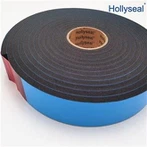
Foam tape is made from a variety of materials, depending on the specific application and desired properties. Common materials used in the manufacture of foam tape include polyethylene (PE), polypropylene (PP), polyvinyl chloride (PVC), and polyurethane (PU). These materials are foamed to create an open-cell or closed-cell structure, which affects the tape's compressibility, density, and other properties.
The most common material used in foam tape production is polyethylene (PE). PE foam tape is lightweight, flexible, and offers good sealing and insulation properties. It is often used in sealing and insulating applications, such as around doors and windows in buildings. PE foam tape is also widely used in packaging and shipping, providing impact absorption and cushioning for fragile items.
Polypropylene (PP) is another popular material used in the production of foam tape. PP foam tape has good tensile strength and tear resistance, making it suitable for heavy-duty applications. It is often used in industrial settings, such as in automotive manufacturing and aircraft maintenance, where strong and durable seals are required.
Polyvinyl chloride (PVC) foam tape is less common but still used in some applications. PVC foam tape provides good insulation and flame-retardant properties but may not be as flexible or compressible as other foam tapes. It is often used in applications where flame safety is a concern, such as in electrical enclosures and HVAC systems.
Polyurethane (PU) foam tape is a more expensive material but offers excellent compressibility, resilience, and damping properties. PU foam tape is often used in vibration isolation and noise reduction applications, such as in automobiles and industrial machinery. It is also suitable for cushioning and impact absorption in sports equipment and protective gear.
In addition to these common materials, foam tape can also be made from other elastomers, such as silicone or rubber. These specialty foam tapes offer unique properties and are often used in specialized applications, such as high-temperature sealing or corrosion resistance.
The composition of the foam tape depends on the specific application requirements and desired properties. Each material has its own advantages and disadvantages, making it suitable for different uses. When selecting a foam tape for a particular application, it's important to consider the required properties, such as compressibility, tensile strength, insulation value, and durability.